Dr. Mária Keresztes
Researcher · Economist · Social Psychologist · Methodological Innovator
I study how intelligent human resources become organizational performance — and how cultural patterns and norms shape the way people think, relate, make decisions and work together.
My work brings together economics, social psychology, anthropology, the humanities and the arts. The purpose is not simply to describe people or organizations, but to understand what makes human intelligence work effectively as a system.
HUMAN PERFORMANCE INTELLIGENCE
Research across disciplines and cultures
My academic work connects disciplines that are often examined separately. Economics explains resources and performance. Social psychology helps us understand relationships, group dynamics and collective behaviour. Anthropology reveals cultural patterns and norms. The humanities help interpret the meanings people attach to their actions.
I am the author of the Transculturator theory and of more than 60 registered scholarly and artistic works. My research has appeared in international peer-reviewed publications and has been supported by the Korean Studies Grant 2024 of the Academy of Korean Studies.
Selected publications and research →
Patterns, norms and human cooperation
Culture is not only nationality. Every organization develops visible and invisible patterns: expectations, habits, relationships, unwritten rules and norms that influence how people work together.
I study how these cultural patterns and norms shape the way people think, relate, make decisions and cooperate — and how they influence whether individual knowledge can become collective organizational performance.
My international and transcultural research provides another perspective on organizations: the same intelligent people can produce very different outcomes depending on the cultural system in which they work.
From understanding to intervention
Data shows us what is happening. Cultural analysis helps us understand why it is happening. Applied methodology turns that understanding into organizational change.
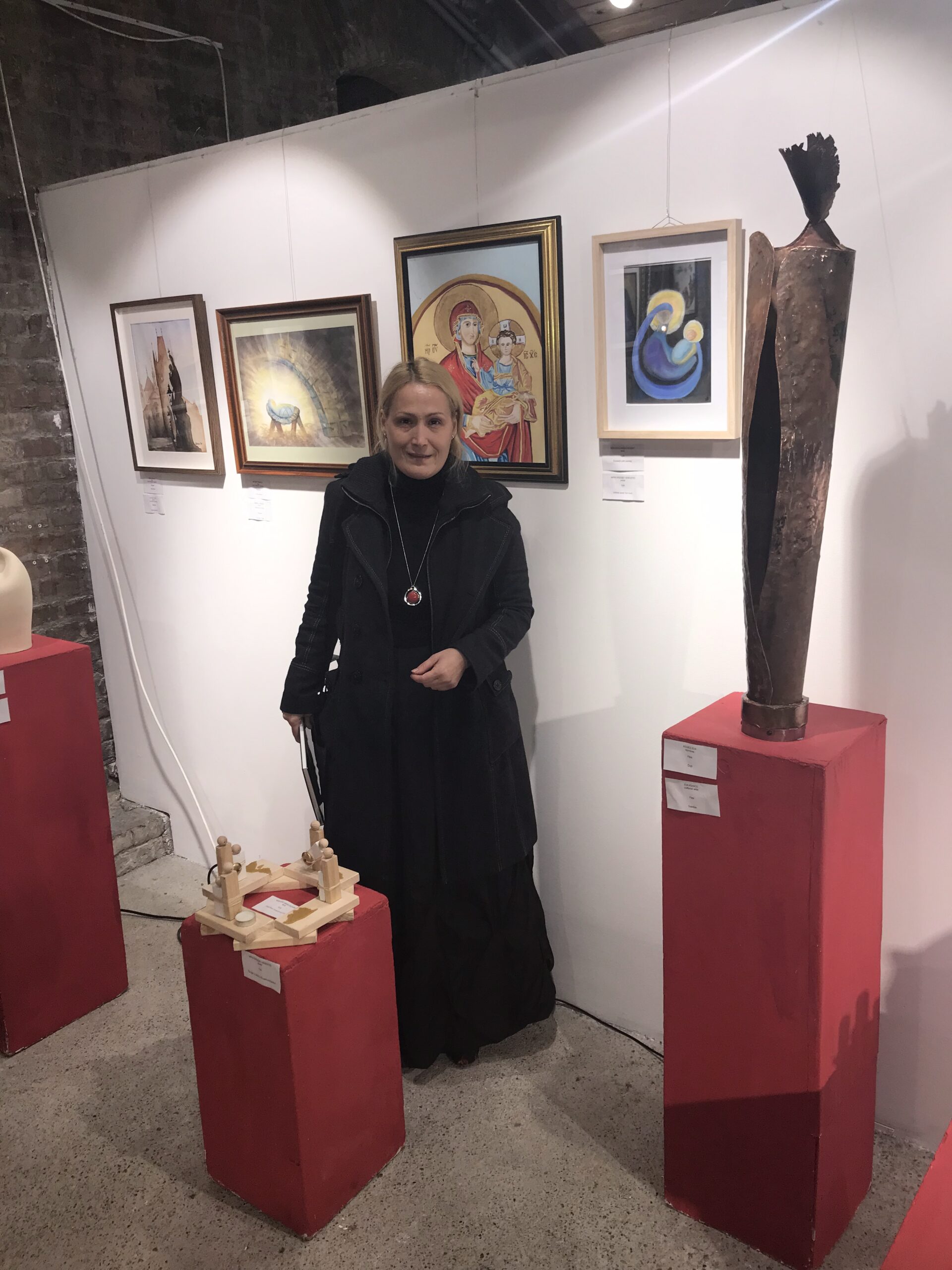
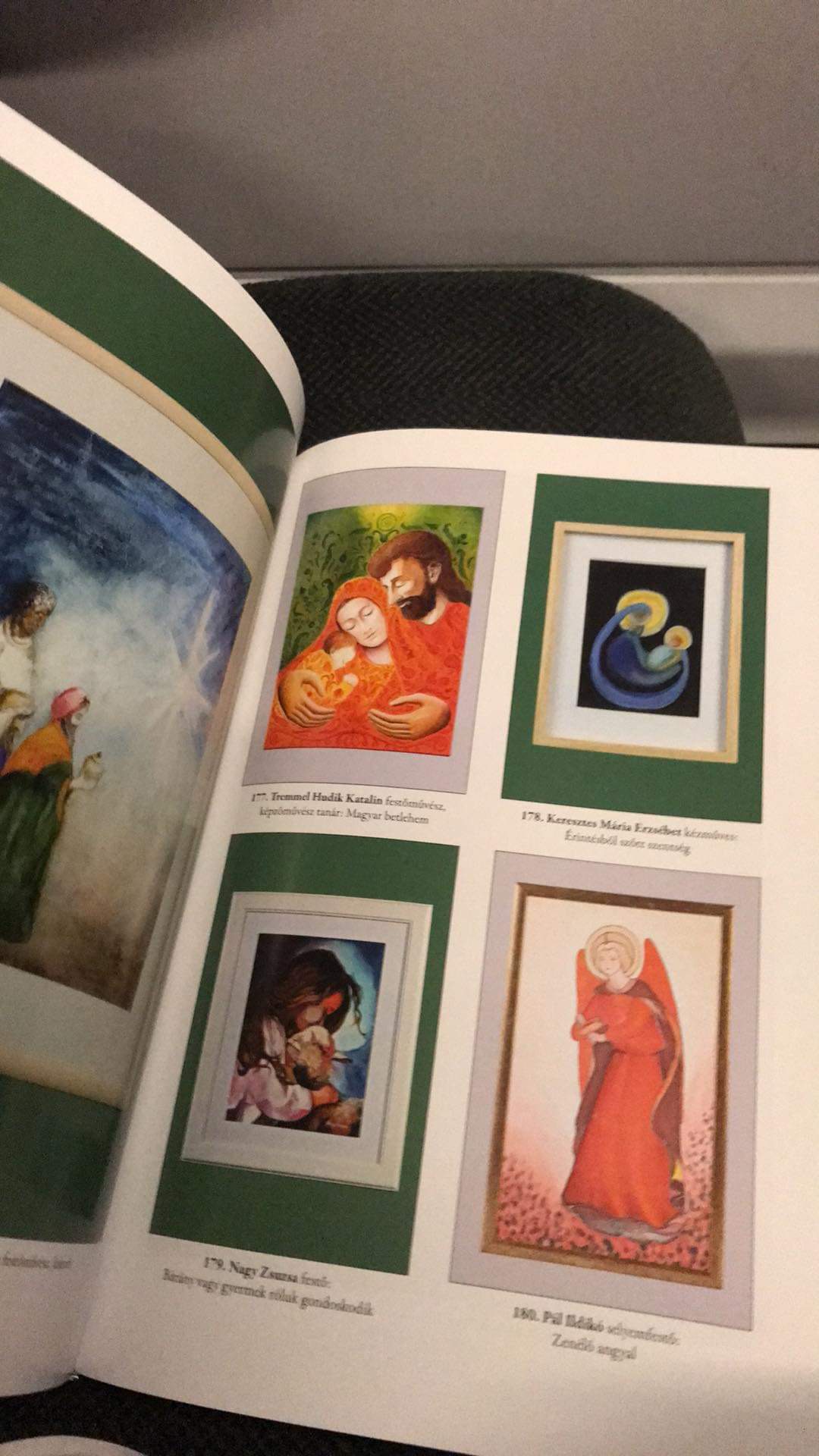
Art is not decoration in my work. Creative and artistic methods can make relationships, norms and behavioural patterns visible when conventional organizational tools cannot reach them.
This interdisciplinary practice became the foundation of the Neutral Space Method© : a research-based approach for making hidden cultural and organizational dynamics visible and workable.
Human Performance Intelligence
SMARTIA brings these three perspectives together. Science provides the evidence. Culture reveals the patterns and norms behind human behaviour. Method turns this understanding into practical organizational action.
What this means for your organization
A real organizational example
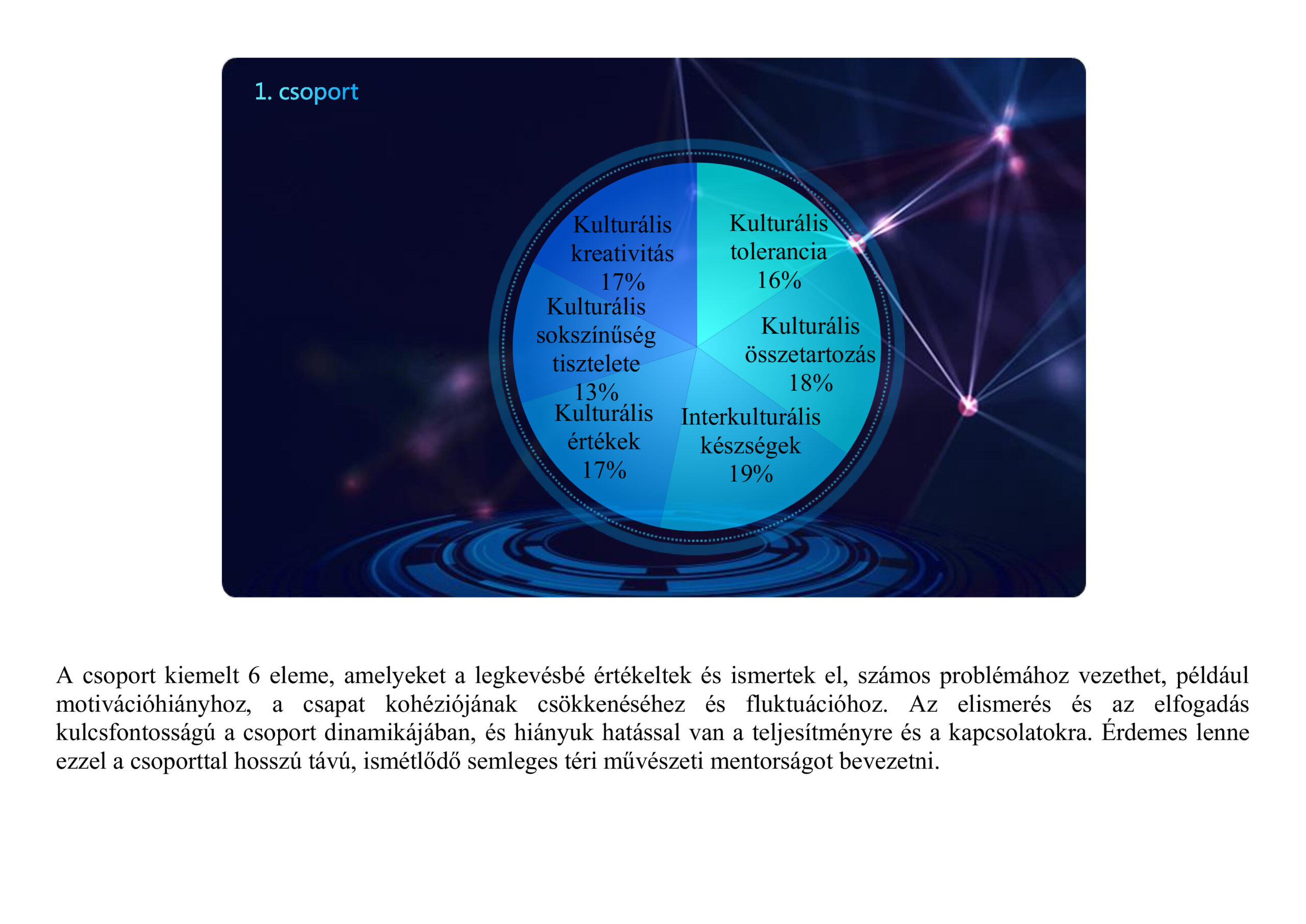
In a multi-year corporate program, I tracked group-level indicators including participation, absence, creative activity and norm-related behaviour between 2019 and 2021.
The analysis revealed where recognition and acceptance were missing and where these patterns created risks for motivation and retention. Following targeted Neutral Space interventions, norm-related engagement grew fivefold, while group harmony increased and sickness absence remained low.
The findings were translated into concrete HR and organizational recommendations — not a report left in a drawer.
Neutral Space Method©
The Neutral Space Method© grew from my doctoral research, Art as an Economic Force: Cultural Mentoring at an Industrial Site .
It creates a neutral analytical space in which hidden organizational norms, cultural differences, relationships and behavioural patterns can become visible before they are translated into practical organizational decisions.
Multidisciplinary foundation
SMARTIA is built at the intersection of scientific research, cultural understanding and applied methodology.
Resources, productivity, organizational value and economic performance.
Behaviour, relationships, group dynamics and collective decision-making.
Cultural patterns, norms and the systems through which people create meaning.
Interpretation, values, meaning and human experience.
Quantitative and qualitative evidence translated into organizational insight.
Creative methods for revealing patterns that conventional analysis may leave hidden.
What leaders say
Experiences of executives and professional leaders who have worked with SMARTIA.

In every session she strives to discover and unleash the potential within her clients, so they can successfully apply what they learn in real life. For sustainable results, I recommend the mentorship programme to anyone seeking long-term investment, security and stability.

“It is very important to us that an economist leads the sessions — not just lecturing, but actually demonstrating the real situations and problems.”
SMARTIA led group sessions where the team worked with real situations, creative methods and ethical dilemmas in an international organizational context.
The problem-solving through art reached such a high level that a planned half-day programme developed into a full day. Equal opportunities, behavioural culture, community and sustainability became experiences participants wanted to take back to their own teams.
From intelligent people to intelligent organizational performance
The performance of an organization depends not only on who works there, but on how human intelligence is configured, connected and enabled to work together.